

TGIF :: On Un-Shoulding
#72 || So we may be more irresponsible, wild--and clear

Thank you for trusting me with your time. 🙏🏼
ClearLife is an exploration of life without “dimmers” such as escapist drinking, eating, snark, exercise, shopping, sex, work, drugs—even generosity. Prior posts are available here, including a summary of The Eight Awarenesses.
Is “should” a bad word?
should, /SHo͝od/, verb; used to indicate obligation, duty, or correctness, typically when criticizing someone’s actions (or our own). “He should have been careful.”
Half a life ago, in my mid-twenties, I had a mentor who regularly interrupted me when I used the word “should.”
“Don’t do that,” he’d say. “You’re polluting a positive intention with needless shame or regret. Knock it off. Either say you are going to do something and do it, or don’t and be okay with it.”
Ever since then I’ve tried to maintain some awareness around this word. It’s a tricky one though. Just last night over dinner in speaking to this the following words actually came out of my mouth: “I’ve been exploring whether we should use the word ‘should’ at all.” 🤦🏽♀️
But, seriously. How much of our lives do we live abiding by some perception of the “right” thing to do? What do we lose or miss out on along the way?
For our physical health, these leanings and the internal dialogue that accompanies them (yes, sometimes using the word “should”) are often positive. It is some form of imperfect, silent discipline that helps us eat, drink, sleep, exercise, work, and mate healthfully.
For social and relational graces, there are similarly “good” things we might endeavor to do, such as express gratitude, encouragement, or apology—or have the courage to be authentic and show up.
Don’t get lost.
Can we take this too far? What if the “should” orientation is so strong that we get lost? It turns out there is a lot of research on this topic, even centering around this simple word (here’s a good one from the Harvard Business Review if you want to dig in).
As we navigate this one journey, this one life, if we’re too often steering to please others, satisfy a social norm, or otherwise listen to guidance outside of ourselves we might end up somewhere we never intended. The danger is getting so far off our own true course, it’s too difficult or too late to recalibrate and get back to our true selves.
ClearLife & “should”
This all grew quite complicated seven years ago when it became easier to adhere to intentions, my word, and other commitments. Without alcohol (or other dimmers), follow-through is more of a given. We have to be very careful about intentions being set and promises being made—because we are more likely to follow through. The invitation is to explore whether we take all of this reliability too far.
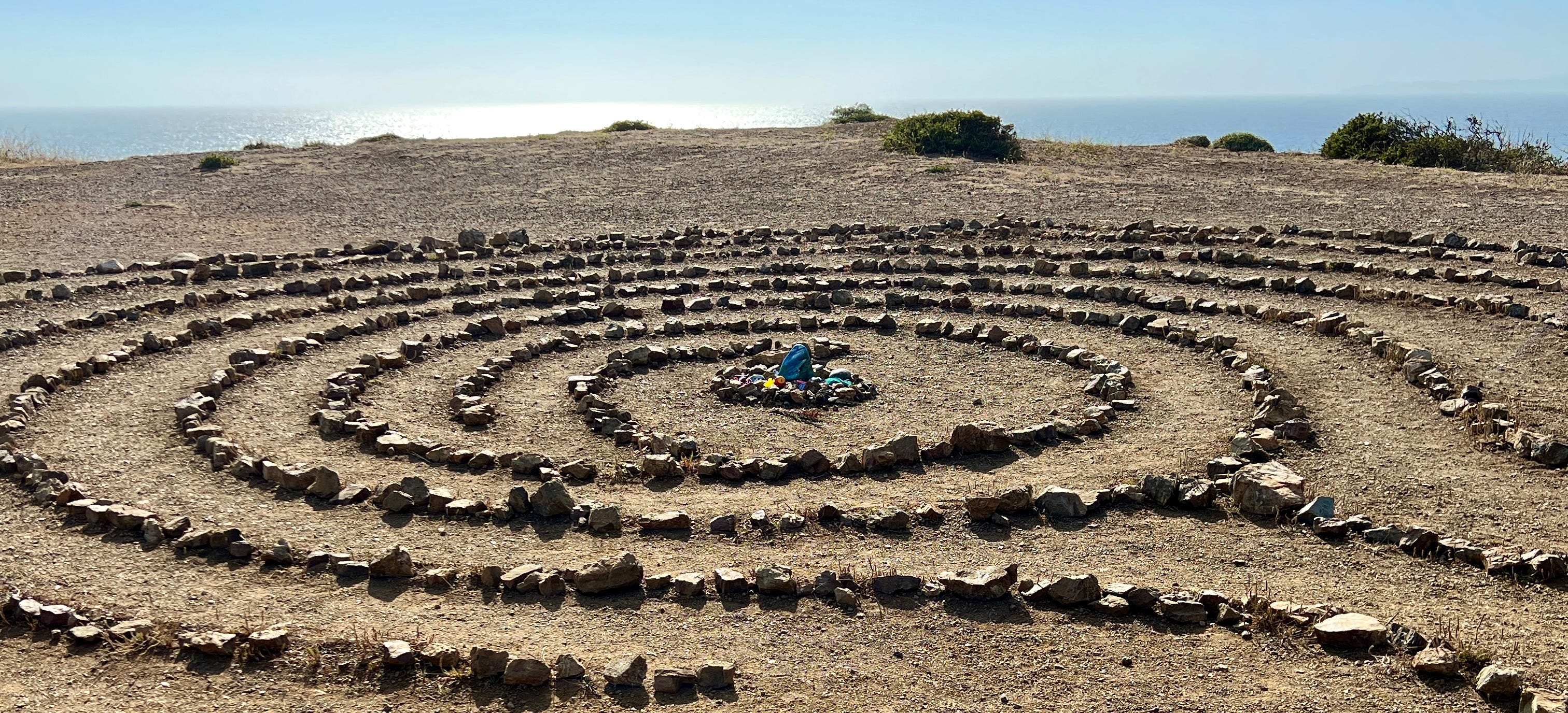
The “Responsibility Person”
Thank you, Holly Whitaker, for this:
One of the biggest boons of my recovery was becoming a reliable person—someone you could take at her word, who would never miss a deadline, who would show up to your dinner party even if she felt like staying under the covers. I prided myself on the fact that I was finally Responsibility Person, and I did this because I’d been a screw up for so long. Being accountable was a kind of new high, and one I conflated quite a bit with my actual worth, or the reason you might waste your time on me at all. You could take me at my word.
I first read it as an excerpt posted on your IG. Then it bounced around in my brain (and heart…then soul) for two days before I went and actually read the entire piece: #69 Fixing ourselves before we begin (published here on Substack this week).
What I feel reading this:
🎯 I do not self-identify as “in recovery” but damn, this rings true.
👑 I can admit I got up on some high horse about being my own version of “Responsibility Person” and may have even gone so far as to surround myself with those that are not great “Responsibility People” to affirm this feeling or position—for years.
💩 Getting high on being compliant, responsible, reliable, or whatever you want to call it is really not all that different from getting high on drugs or booze. It’s a dimmer. We can do these things to feel safe, secure, or better-than, as yet another form of escapism or self-soothing. I hate to admit I see this in myself at times. It feels like a newly discovered cousin of toxic generosity (acts of kindness as a dimmer).
🔍 I can see these truths now because I am increasingly tired of being The Responsibility Person. This started sometime last year when I identified this tendency as a source of deep stress during cancer treatment and “resigned” from the following roles in my family: The Source of Information About Things People Can Look Up/Determine On Their Own, The Cleaner, The Cook, The Head of Family Finance, and The Vacation Planner.
🔥 I sense I might be entering another “No More!!” era, and starting to really deeply listen to and honor myself. I can already tell, this is all going to get awkward for those closest to me. I’m half scared, half excited.

What do YOU want to do, Mom?
It was pretty early on in my ClearLife journey when I realized how out of touch with myself I’d grown amidst all of that dimming, people-pleasing, and overall suppression of my inner guidance. It was a recurring conversation with my youngest son that shined a light on how far I’d drifted without checking in with my own compass. Given our intimate living spaces (including a shared bathroom and closet for most of his life) and lots of hours in the car together, I’ve casually consulted him on all kinds of things such as:
“What should I wear today?”
“Do you think I should accept that invitation?”
“Should we have those friends over for dinner on Friday?”
“Which route should we take to school?”
⬆ (Note that’s a lot of “shoulds”).
These reveal yes, how close we are, but also what I’d call excessive consultation with a child(!). Bless him, he almost always answered quickly with the same question:
“What do YOU want to do, Mom?”
His simple response often startled me. It still does (he pulled it on me just yesterday as I reminded him of this pattern in preparation for this post!). Well, I have no idea! I’d think to myself. I’ve been so caught up in everyone else’s needs, desires, and opinions, I’ve lost touch with my own.

Wild.
Thanks to this great teacher who often stops me in my tracks over scrambled eggs, sorting laundry, or rushing to a sports practice, I’m much better at checking in with myself first these days. This is A Big Step Forward. I’m still very much The Responsibility Person—hyper-accountable, super-reliable, and adamant about keeping my word (even when it comes at an unreasonable cost), but more aware of my own desires than I was a decade ago.
Yet, I’m growing a bit tired with being The Responsibility Person. I have a new inkling, calling, temptation… to be a little less responsible, a little more wild, and to do it intentionally, from a place of clarity and intention. It might look something like a ClearLife MidLife Crisis.
Can you relate?
10 questions to explore in re-wilding, shedding our “shoulds”
What would happen, if we truly, deely, fully honored our deepest desires?
Who might we reach out to for coffee or a walk?
Who might we choose to spend less or no time with?
What would we eat, drink, or otherwise consume?
Would we be less rigid in our sexual identity?
Would we express ourselves more openly and creatively with clothes, accessories, and grooming (or lack thereof)?
What hobby or craft might we try or pursue?
What shoes would we refuse to wear again (asks she who just spent four days navigating New York in Birkenstocks)?
The diets, the manicures, the gym visits, the thank you cards, the degrees, the dinners, the fundraisers, the meetings… how are we spending our time, and are we honoring ourselves?
What would life look like with less obligation, duty, or correctness?
“Un-shoulding” our clear lives; paradoxical inspiration
We are surrounded by models, direction, and expectations that affirm the norms we live by, consciously or not. One way to explore new ways of thinking and being is to bring our attention to those who disrupt our patterns, shine a light on new ways, or otherwise shake up confining norms. Recent examples on my path include:
A mom-entrepreneur in our community who is both clear and accountable, but also fierce, sexy, fun, and courageous with her fashion designs (Rebecca Bruce). her
Accomplished, brilliant people openly doing psychedelics, especially leaders in the tech world.
Billionaires who choose to live in modest homes (a few examples here).
There’s no grand to-do here, just an invitation to consider what paradoxes appeal to us, and why? Are there clues to our own true orientations in these appeals?
Dimmers keep us in “Should-Land”
Its uncomfortable living life the way we believe we are supposed to (and I’m not just talking about wearing high heels). Whether it’s people we’re with, places we are, or roles we play, if they don’t feel right, a drink or three can really help “take the edge off.” This is why we see people make so many changes in the years following the choice to live with more clarity. It becomes simply impossible to endure the relationship, the place, the job—whatever it is our dimmers kept us capable of sustaining for so long.

The invitation, a practice
In the coming week, consider these themes from a deeper place within. What would life look like without the word “should” or role as The Responsibility Person? Is there room to re-wild a bit, be a little less perfect, predictable, or compliant?
Are there people who might feel permission, more free, to be more authentic if we are?
Are we using our accountability as yet another dimmer, form of armor, self-protection, or even cousin of our old ways? What is the worst thing that would happen if we just… stopped?
I would love to hear your impressions and experiences, if you are inspired to share. In my case, I’m holding off on that tattoo, scary coffee invite, and impulsive car purchase for now, but something tells me it won’t be long for all three, and then some.
Love. ❤️
Miscellaneous…
The New York Times… is covering some great ClearLife themes with two articles of note Wednesday: Deep Links Between Alcohol and Cancer Are Described in New Report and Learning to Connect with Friends—Without Alcohol. I posted the first one on my @clearlifejourney IG if you want to read it in its entirety there.
The First Eight Awarenesses Immersive Workshop/Retreat… is happening December 9th-14th at MEA in Baja, Mexico. Information and registration information here. I’ll be leading this with Soren and our dear friend Teddi Dean. Financial support and scholarships are available and encouraged. Hope to see some of you there!
No TGIF next week… I am heads down on another writing effort and will see you here again on October 4th. In the meantime, you can follow various offerings via my website. ❤️
How exciting to be invited to think this way. Although duty is a very strong pull, it’s hard to let go of that one…
Mmm, I love this idea. I’ve been discovering and defining for myself what healthy eating, a great morning routine, and enjoyable and sustainable exercise looks (and more importantly, feels) like for me rather than what everyone recommends and pushes online as the only way. I’ve found this especially true as a woman with all the advice out there for men that is extrapolated to everyone. Though hearing what works for others has also at times been inspiring and helped me try new things.